How Video Tutorials Are Helping Families Preserve Generational Recipes
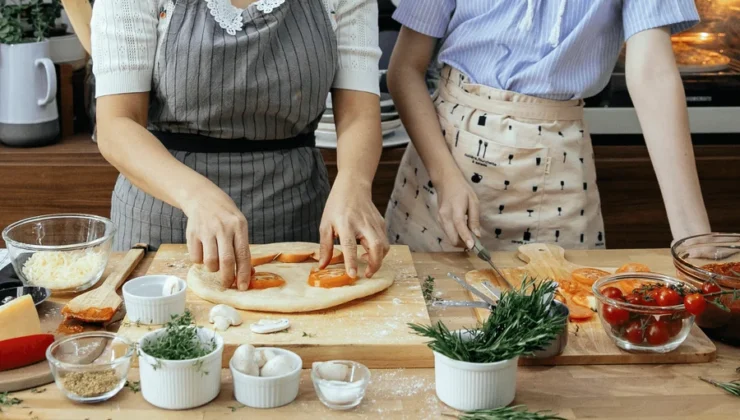
More than mere instructions on how to cook, family recipes are actually traditions that have been handed down from generation to generation. At present, there are a lot of cooks who convert these precious family recipes into video form that is easy to disseminate not only to the members of the family but even to other people.
Why Recipe Videos Are Popular with Home Cooks
Recipe videos offer a visual learning experience that written instructions alone cannot provide. Watching someone prepare a dish step by step makes it easier to understand techniques, ingredient preparation, and cooking methods.
Video recipes have been favoured by home cooks in the past because they would be able to get a clear view of what a particular dish would look like during different phases of its preparation. For instance, videos make it easier to show how one ought to knead, mix, or check the texture of a dish.
Choosing Recipes That Work Well on Video
Every recipe does not work equally well when it comes to making videos. Ideally, the best recipes to choose for a video are those that have definite visual results and simple preparation techniques.
Common foods like cookies, casseroles, pasta, soup, and cakes make for good recipes since they are easy to follow visually. Recipes that have colorful and visually attractive results usually attract viewers.
It is important to think about whether the individual steps of the preparation of each dish are suitable to show and if the food will end up looking good visually.
Planning and Recording Your Recipe Tutorial
Preparation is key to a great recipe video. Before you hit the record button, make sure to have all of the ingredients, kitchen appliances, and cookware gathered to ensure a smooth filming session.
The first steps should include clean shots of the ingredients. If you show the measurements, viewers can better follow your instructions without being lost. Record each main step in the recipe, such as mixing, chopping, baking, or decorating, while you cook.
The instructions should be simple and easy to follow. Instead of providing a lengthy explanation, demonstrate your cooking methods. Close-ups are helpful to identify key elements such as changes in consistency, cooking times, and proper techniques.
Good lighting and camera movement are also essential to a professional production.
Making Recipes More Accessible with Subtitles
Adding subtitles can have a significant impact on how effectively viewers can watch recipe tutorials. The reason behind this is that many people do not watch cooking tutorials with the audio on the device, as the device’s sound is muted, and hence it would be necessary to rely on written words on-screen.
It’s for these reasons that a tool demonstrating how to add subtitles to video is beneficial. This is because it allows the viewers to be privy to the entire instruction. By adding text to the video, the ingredients’ names, their measurements, cooking temperature, and timing can be displayed throughout the recipe video.
In addition to these, it is also very effective in displaying additional tips in the form of on-screen text, whether it’s when to stir constantly, how to check for when to confirm cooking doneness, or common mistakes to look out for while following a particular recipe.
When the creator opts to add subtitles to their video projects, the content will benefit from catering to a broader range of audiences, such as non-native speakers and hearing-impaired viewers; thereby increasing the effectiveness of a cooking video and enhancing a more user-friendly experience.
Sharing Your Recipe Videos Online
Once you’ve put together your video, you’ll need to share it. Social media is great for getting out there to other people who like food or enjoy home cooking.
There is really no end to apps to post your recipe videos: Instagram, Facebook, YouTube, TikTok, and your own blog are all good candidates. Placing the video on your recipe blog will also be helpful, as well as giving people written instructions.
It’s the constant posting that will get an audience and will preserve your recipes in a way that you and future generations can still access.
Conclusion
Translating these traditional family recipes into video tutorials is an interesting way of passing on these cherished food traditions in a modern medium. Picking tasty dishes, filming the steps clearly, and using the appropriate tools to add subtitles to the video make these tutorials watchable and easy to follow, making traditional food easily accessible.