What Bigger Shoulders Can Do for a Silhouette That Smaller Frames Can’t
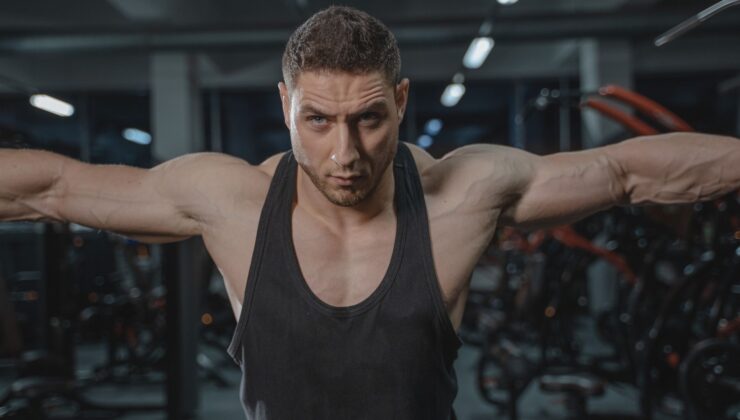
Broad shoulders have long been treated as one of tailoring's most flattering natural assets, yet the conversation rarely extends to just how much structural advantage a genuinely wide shoulder line offers a jacket. Where smaller frames often rely on padding and construction tricks to create the illusion of shoulder width, a naturally broad frame starts with that foundation already built in.
The Shoulder as the Anchor of the Silhouette
Every jacket silhouette is built outward from the shoulder line. It is the anchor point that determines how the chest, lapel and overall drape will read once the garment is finished. A wider natural shoulder gives a tailor a stronger foundation to work from immediately, meaning less artificial structure is needed to achieve the classic V-taper silhouette that formal tailoring has valued for generations.
This is a genuine advantage rather than a coincidence of build. A jacket constructed for a broader shoulder line can achieve clean, confident proportion with comparatively simple construction, since the frame itself is already doing much of the work that padding would otherwise need to simulate on a narrower build.
Drape That Smaller Frames Have to Work Harder For
Fabric drape depends heavily on what it is draping across. A broader shoulder allows fabric to fall in longer, cleaner lines down the torso, creating a silhouette with genuine visual length and proportion. Smaller frames often need additional tailoring intervention, extra padding, and careful seam placement to approximate this same effect, while a bigger frame frequently achieves it through natural structure alone.
This is one of the quieter advantages behind a well-constructed big man suit. The shoulder does not need to be manufactured artificially. It is simply there, ready for a tailor to build a clean, well-proportioned jacket around it with far less compensation required elsewhere in the garment.
Recognising an Underappreciated Asset
None of this suggests smaller frames cannot achieve excellent tailoring, since skilled construction can create striking results regardless of natural proportion. It simply means broader shoulders deserve more credit than they typically receive as a genuine structural advantage rather than an incidental trait. A frame built this way starts several steps ahead in achieving the exact silhouette that formal tailoring has always aimed for since its earliest traditions.
The next time a jacket is being fitted for a naturally broad frame, it is worth appreciating what that shoulder line is already contributing to the final result. Rather than viewing size as something requiring extra effort to manage, it is worth recognising the structural head start it provides. A wider shoulder is not a complication for a tailor to solve. It is the very foundation the entire silhouette was always designed to be built upon.
This shift in perspective changes how fittings themselves tend to unfold. A tailor who recognises this advantage spends less time compensating and more time refining, often producing a sharper, more confident result in less time than would be needed to manufacture the same effect on a narrower frame.