The Best Educational Gifts for 3rd Graders Who Love to Learn
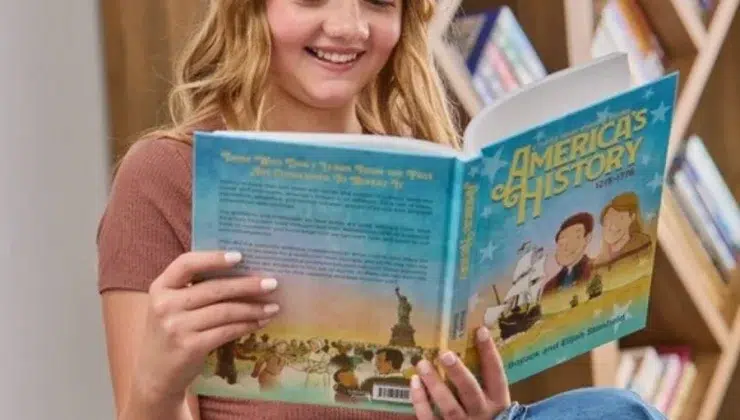
Third grade is a fascinating stage in a child’s development. Around this age, kids become more independent readers, ask deeper questions, and start connecting what they learn in school to the world around them. They’re curious, energetic, and eager to explore topics that feel meaningful and exciting.
That’s why educational gifts can make such a lasting impact. The right gift doesn’t just entertain for a few hours – it encourages creativity, builds confidence, and helps children develop skills they’ll use for years to come. Whether you’re shopping for a birthday, holiday, or special occasion, educational gifts can inspire a lifelong love of learning without feeling like homework.
Many parents are also looking for gifts that go beyond memorization and encourage children to think independently, solve problems, and better understand the world around them. Brands like Tuttle Twins have become increasingly popular for this reason, offering books and educational resources that introduce real-world ideas through engaging, age-appropriate storytelling.
Here are some of the best educational gifts for 3rd graders who genuinely love to learn.
1. Book Series That Encourage Big Thinking
By third grade, many children are ready for stories and educational content that go beyond simple lessons. Books that share real-world ideas in an age-appropriate way can help kids build critical thinking skills. They also keep reading fun and engaging.
One popular option for families is the collection for third graders available through tuttletwins.com. It features books designed to help children explore concepts like entrepreneurship, responsibility, economics, and problem-solving through storytelling and relatable examples.
Educational book series work especially well as gifts because they create ongoing excitement. Once children connect with the characters or themes, they’re often eager to keep reading and learning independently.
According to the American Academy of Pediatrics, reading regularly with children supports language development, literacy, and cognitive growth. It also strengthens attention spans and comprehension skills – something increasingly important in today’s screen-heavy world.
2. STEM Kits That Make Science Hands-On
Many 3rd graders learn best when they can physically interact with concepts instead of simply reading about them. STEM kits combine science, technology, engineering, and math into fun projects that encourage experimentation and creativity.
Popular STEM gift ideas include:
- Crystal-growing kits
- Beginner robotics sets
- Snap-together circuit kits
- Volcano and chemistry experiments
- Marble run engineering sets
Hands-on learning can improve problem-solving abilities and help children build resilience through trial and error. Instead of worrying about making mistakes, kids learn to experiment, adapt, and try again.
Research from the National Science Teaching Association suggests that hands-on STEM learning boosts engagement. It also improves long-term retention of science concepts in elementary school children.
3. Educational Board Games for Family Learning
Board games remain one of the most underrated educational tools for children. The best games mix fun with skill-building, helping kids practice math, spelling, strategy, and communication.
Some excellent options for 3rd graders include:
- Ticket to Ride: First Journey
- Rush Hour
- Bananagrams
- Math Dice Jr.
- Qwirkle
Games also create opportunities for social learning. Children practice patience, teamwork, rule-following, and critical thinking without realizing they’re developing important life skills.
Unlike passive entertainment, interactive games encourage active participation and face-to-face communication, which many parents now actively seek out when choosing gifts.
4. Subscription Boxes That Keep Curiosity Alive
One gift that continues long after the initial excitement fades is a monthly educational subscription box. These services deliver hands-on projects, experiments, crafts, or reading activities directly to a child’s home.
Depending on the child’s interests, subscription boxes may focus on:
- Science experiments
- Geography and world cultures
- Coding and engineering
- Art and creativity
- Reading and writing prompts
The anticipation of receiving something new each month can help maintain enthusiasm for learning throughout the year.
For families looking for educational content that blends storytelling with real-world lessons, the Tuttle Twins magazine subscription has become a popular option for elementary-aged readers. Each issue introduces children to topics like entrepreneurship, personal responsibility, problem-solving, economics, and critical thinking through comics, stories, puzzles, and interactive activities designed for younger audiences.
Subscription-based learning also introduces variety, which is important for children in this age group. Third graders often enjoy exploring multiple interests before discovering what truly excites them.
5. Art Supplies That Encourage Creativity
Educational gifts don’t always need to focus on academics. Creative activities play an important role in cognitive development and emotional expression.
High-quality art supplies can inspire hours of imaginative learning. Great options include:
- Watercolor paint sets
- Sketchbooks and drawing pencils
- Clay sculpting kits
- Origami sets
- DIY craft stations
6. Interactive Globes and Geography Gifts
Many 3rd graders become fascinated by the wider world. Geography-themed gifts can spark curiosity about different countries, cultures, and environments while supporting classroom learning.
Educational geography gifts may include:
- Interactive talking globes
- Kids’ atlases
- World puzzle maps
- Cultural activity kits
- National parks exploration books
Learning about the world at a young age can help children develop empathy and global awareness. It also encourages questions about history, science, wildlife, and travel.
7. Beginner Coding and Technology Toys
Technology is now part of everyday life, and many educational experts encourage introducing coding concepts early in a playful, approachable way.
Fortunately, coding toys for younger children are designed to focus on logic and creativity rather than complicated programming languages.
Popular beginner-friendly options include:
- Coding robots
- Drag-and-drop coding games
- Interactive coding apps
- Puzzle-based programming activities
8. Journals and Writing Kits for Young Storytellers
By third grade, many children are developing stronger writing abilities and beginning to enjoy storytelling. Journals and creative writing kits can help nurture imagination while improving literacy skills.
Some fun gift ideas include:
- Prompt-based journals
- Comic book creation kits
- Story starter cards
- Personalized notebooks
- Beginner calligraphy sets
9. Outdoor Exploration Tools
Educational gifts don’t need to stay indoors. Outdoor learning encourages curiosity, movement, and observation skills while helping children connect with nature.
Excellent outdoor educational gifts include:
- Binoculars for birdwatching
- Magnifying glasses and bug catchers
- Beginner gardening kits
- Nature scavenger hunt sets
- Kid-friendly microscopes
Studies published by organizations such as the Children & Nature Network have linked outdoor learning experiences with improved focus, reduced stress, and stronger engagement in science learning.
These gifts can also help balance screen time by encouraging active exploration and hands-on discovery.
Choosing Gifts That Inspire Lifelong Learning
The best educational gifts do more than teach facts. They encourage children to ask questions, solve problems, think creatively, and stay curious about the world around them.
For 3rd graders, learning works best when it feels exciting rather than forced. Whether it’s an engaging book series, a hands-on science kit, a strategy game, or an outdoor adventure tool, the right gift can leave a lasting impression far beyond the classroom.
Educational brands like Tuttle Twins have also helped show that learning about real-world topics doesn’t need to feel overwhelming for younger readers. Through relatable stories and practical lessons, children can begin exploring concepts like responsibility, critical thinking, entrepreneurship, and decision-making in ways that feel approachable and fun.
At a time when many children are surrounded by passive entertainment, gifts that encourage curiosity, creativity, and independent thinking can make a meaningful difference – both inside and outside the classroom.
References
- American Academy of Pediatrics – Reading and Child Development
- National Science Teaching Association – STEM Education Resources
- Children & Nature Network – Benefits of Outdoor Learning and Play