Essential Features For Supportive Kids’ Footwear In Gym Class
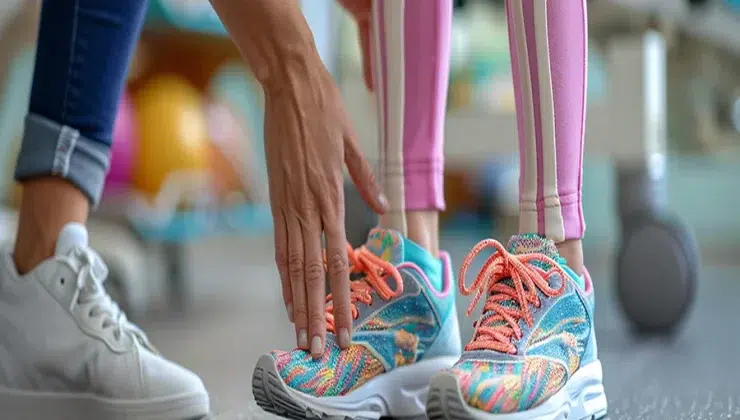
Physical education requires specific gear to ensure safety and comfort during various activities. Proper footwear serves as the foundation for movement on polished gymnasium floors or outdoor tracks. Parents must evaluate several technical aspects before they purchase a pair for the school year. This selection process prevents discomfort and supports natural foot development during high-energy tasks.
The structural integrity of a shoe determines how well a child performs during lateral movements or sprints. High-quality Asics Gel-1130 models serve as a technical example of how stability features function within the midsole. These designs provide a firm base that resists excessive torsion during quick pivots or jumps. Proper cushioning absorbs the shock from hard surfaces like concrete or hardwood.
Optimal Traction For Multi-Surface Grip
Gymnasium floors often present a slip hazard due to dust or smooth finishes. Outsoles must feature a rubber compound that creates friction without leaving dark scuff marks. Patterned treads help a child maintain balance during fast-paced games of tag or basketball. A reliable grip prevents falls that might lead to minor scrapes or bruises.
Stability remains a vital component of the outer sole design during gym sessions. Deep grooves in the rubber permit the foot to flex naturally at the toes. This flexibility assists in the push-off phase of a run or a jump. Hard rubber materials provide longevity against the abrasive nature of outdoor asphalt playgrounds.
Midsole Cushioning For Impact Protection
Repeated jumps and sprints place significant pressure on small joints and bones. Effective kids running shoes illustrate how foam layers distribute weight across the entire foot bed. These internal structures dampen the vibration from every foot strike on the floor. Proper shock absorption reduces the fatigue that many students experience after a long session. Lightweight materials keep the footwear from feeling bulky during aerobic exercises.
The arch area requires specific attention to prevent flat-footed strain during long periods of standing. Reinforced midsoles maintain their shape even after months of intense daily use. High-density foam provides a consistent response whenever the heel hits the ground. This support helps maintain proper alignment of the ankles and the knees. Durable cushioning ensures the shoe remains functional until the child outgrows the current size.
Breathable Upper Materials For Temperature Control
Active feet generate heat and moisture quickly during intense physical education lessons. Mesh fabrics allow air to circulate around the toes to keep the skin cool. This ventilation prevents the buildup of moisture that leads to blisters or discomfort. Lightweight textiles reduce the overall weight of the footwear for easier movement. A dry environment inside the shoe promotes better foot health for the student.
Overlays made of synthetic leather provide structural support to the flexible mesh sections. These reinforcements keep the foot centered over the midsole during sudden stops. Sturdy materials around the toe box protect against impacts from balls or other equipment. The combination of breathable cloth and solid supports creates a balanced environment. Quality running shoes for kids demonstrate how these different layers work together for maximum efficiency.
Secure Closure Systems For Consistent Fit
Loose footwear creates a significant safety risk during fast movements in the gym. Traditional laces allow for a customized fit that accommodates different foot widths. Double-knotted laces stay secure throughout the entire duration of the physical education class. A snug fit prevents the foot from sliding forward inside the shoe during stops. This stability protects the toes from repetitive pressure against the front of the footwear.
Hook and loop straps offer an alternative for younger children who struggle with knots. These fasteners provide a quick way to adjust the tightness before a race begins. Reinforced eyelets prevent the laces from tearing through the material over time. A padded tongue reduces the pressure from tight laces on the top of the foot. Proper closure systems ensure that the footwear stays in place during every exercise.
Flexible Forefoot Design For Natural Movement
Feet must bend easily at the ball of the foot to facilitate running and jumping. Flex grooves in the outsole allow the shoe to mimic the natural motion of the foot. This flexibility reduces the effort required to lift the foot during a sprint. Rigid shoes often cause discomfort or lead to an unnatural walking pattern. A responsive forefoot helps a child feel more connected to the ground surface.
The toe box should provide enough room for the toes to splay naturally. Narrow designs often pinch the foot and cause pain during high-impact activities. Proper width in the front of the shoe supports balance and stability during stances. Lightweight materials in the forefoot area enhance the agility of the student. Good everyday running shoes for kids show how a flexible front section improves overall comfort.
Durable Materials For Long-Term Performance
School footwear must withstand the rigors of daily use and frequent washing. Synthetic overlays resist scuffs and tears from contact with equipment or floor surfaces. High-quality stitching prevents the layers from separating after intense physical activity. Resilient outsoles maintain their grip even as the tread wears down over time.
The interior lining should be smooth to prevent friction against socks. Robust materials on the exterior protect the softer internal components from damage. Easy-to-clean surfaces help maintain a neat appearance throughout the school semester. Water-resistant treatments keep feet dry during light rain on outdoor tracks.
Lightweight Construction For Reduced Fatigue
Heavy shoes make it difficult for a child to stay active for long periods. Modern manufacturing techniques utilize thin yet strong materials to reduce total mass. A lighter shoe allows for faster foot turnover during sprinting exercises. Students feel more energetic when their gear does not weigh them down.
The distribution of weight is just as important as the total heaviness of the shoe. A balanced design ensures that neither the heel nor the toe feels too heavy. Proper weight management helps a child maintain their coordination during complex movements.
Choosing the right footwear involves a careful look at technical specifications and safety features. Parents should prioritize stability, cushioning, and breathable materials for the best results. The Asics Gel-1130 serves as an example of a shoe that incorporates these essential elements effectively. A well-fitted pair of shoes allows a student to participate fully in every gym activity. Safety remains the most important outcome when selecting gear for a growing child.