The Innovative Rise of Modern Construction: A Focus on the Waffle Pod System
Construction has changed a lot over the years. What used to rely heavily on traditional methods is now being reshaped by smarter, more efficient solutions. Builders and developers today are always looking for ways to save time, reduce costs, and improve long-term results. One system that has gained attention in recent years is the waffle pod system.
This method has quickly become a popular choice in both residential and commercial construction. It offers a practical way to build strong foundations while also being more efficient and environmentally aware. As building demands continue to grow, understanding how this system works and why it is becoming widely used is more important than ever.
Understanding the Waffle Pod System
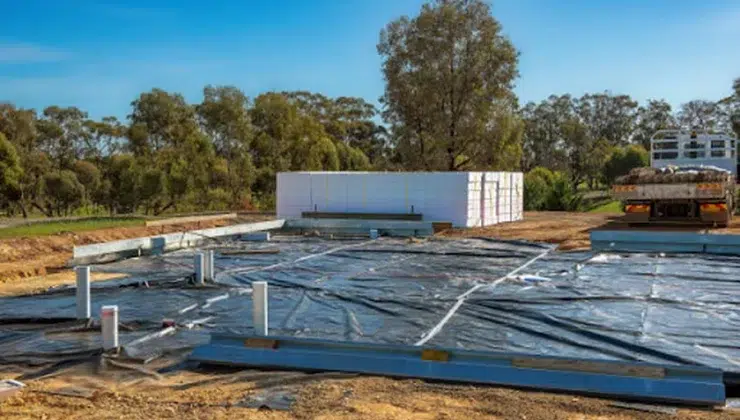
The waffle pod system is a modern method used to create concrete slabs. Instead of relying on traditional trench foundations, this system uses lightweight polystyrene pods placed on the ground in a grid pattern. Once these pods are arranged, concrete is poured over them to form the slab.
The result is a raised slab with a series of voids underneath, created by the pods. This design gives the slab its “waffle-like” structure, which is where the system gets its name.
This setup not only simplifies the construction process but also improves how the slab performs over time. By reducing unnecessary material and focusing on smart design, the waffle pod system offers a more efficient way to build strong foundations.
Environmental and Structural Advantages
One of the biggest advantages of the waffle pod system is its reduced environmental impact. Traditional concrete slabs require large amounts of concrete, and the production of cement contributes significantly to carbon emissions. By using less concrete, the waffle pod system helps lower the overall carbon footprint of a project.
At the same time, the system does not compromise on strength. The grid structure created by the pods allows weight to be distributed evenly across the slab. This reduces stress in specific areas and helps prevent cracking or settling over time.
Because of this, buildings constructed using this method tend to be more durable and better able to handle changes in soil conditions or heavy loads.
Economic Benefits in Construction
Cost savings are another major reason why many builders are turning to the waffle pod system. Since less concrete is needed, material costs are naturally lower. This alone can make a noticeable difference in the overall budget of a project.
The system is also faster to install. The pods are lightweight and easy to handle, which reduces labor time and effort. With quicker installation and fewer materials required, projects can move forward more efficiently.
These savings in both time and cost allow developers to use their resources more effectively. In many cases, it can also improve the profitability of a project without compromising quality.
Reducing Excavation Needs
Traditional slab construction often requires extensive excavation work. This means digging trenches, removing soil, and preparing the ground before any concrete can be poured. This process can be time-consuming and may require heavy machinery.
The waffle pod system reduces the need for this kind of work. Instead of deep excavation, the pods are placed directly on a prepared surface. This cuts down on labor, equipment use, and site disruption.
Less excavation also means less impact on the surrounding environment. It helps prevent issues like soil erosion and damage to nearby vegetation, making it a more site-friendly option.
Thermal Insulation Properties
Another benefit that often goes unnoticed is the insulation provided by the waffle pod system. The polystyrene pods used in the system have natural insulating properties.
This helps maintain a more stable temperature inside the building. During hot weather, it can reduce heat transfer from the ground, while in colder conditions, it helps retain warmth.
As a result, buildings can become more energy-efficient. Reduced reliance on heating and cooling systems can lead to lower energy bills and a more comfortable indoor environment for occupants.
Versatility in Application
One of the reasons the waffle pod system has become so popular is its flexibility. It can be used in a wide range of construction projects, from small residential homes to larger commercial buildings.
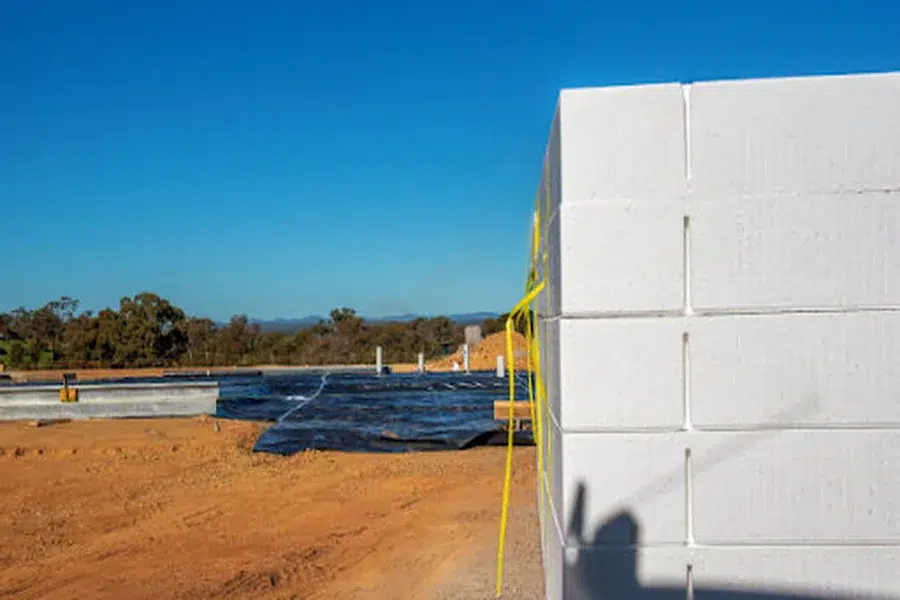
The system can also adapt to different site conditions. Whether the land is sloped, uneven, or has reactive soil, the waffle pod system can be adjusted to suit the situation.
This makes it a practical choice for builders who need a reliable solution that works across different types of projects. It also gives architects more freedom in their designs, as they are not limited by traditional slab requirements.
Simplified Plumbing and Electrical Integration
Construction projects often involve coordinating multiple trades, including plumbing and electrical work. In traditional slab systems, installing these services can require additional drilling or adjustments after the slab is poured.
With the waffle pod system, this process becomes much easier. The spaces between the pods allow for straightforward placement of pipes and wiring before the concrete is poured.
This reduces the need for extra work later on and helps avoid delays. It also improves coordination between different teams, making the overall construction process smoother.
Environmental Implications of Using Polystyrene
While the waffle pod system reduces the amount of concrete used, it does rely on polystyrene pods. This has raised some concerns about environmental impact, particularly in terms of recycling and waste.
However, improvements in recycling processes have made it easier to manage polystyrene responsibly. Many suppliers now offer recyclable or more eco-friendly options, helping reduce the long-term impact of the material.
As the industry continues to evolve, there is a growing focus on balancing efficiency with sustainability. Builders are becoming more aware of material choices and are taking steps to ensure their projects align with environmental goals.
Challenges and Considerations
Like any construction method, the waffle pod system comes with its own set of challenges. Proper site preparation is still important to ensure the slab performs as expected. If the ground is not prepared correctly, issues like uneven support or water pooling can occur.
Engineering expertise is also essential. The system must be designed and installed correctly to maximize its benefits. This includes ensuring the right spacing, reinforcement, and concrete placement.
Careful planning and quality control are key to making sure the system delivers the expected results.
Future Trends in Construction
The construction industry is moving toward smarter and more sustainable solutions, and the waffle pod system is a clear example of this shift. As demand for efficient building methods continues to grow, systems like this are likely to become even more common.
Future developments may include improved materials, better design techniques, and more environmentally friendly options. Builders and engineers are constantly exploring ways to enhance performance while reducing environmental impact.
The waffle pod system represents a step forward in modern construction, showing how innovation can improve both efficiency and sustainability.
Conclusion
The waffle pod system has changed the way many builders approach foundation construction. By combining efficiency, strength, and environmental awareness, it offers a practical alternative to traditional methods.
With benefits such as reduced costs, faster installation, and improved structural performance, it is easy to see why this system is gaining popularity. While there are still considerations to keep in mind, its advantages make it a strong choice for modern construction projects.
As the industry continues to evolve, the waffle pod system stands as a clear example of how smart design and innovative thinking can lead to better building solutions.