All-on-4 Dental Implants in Albania: A Complete Guide to Saving 70% on Full Smile Restoration
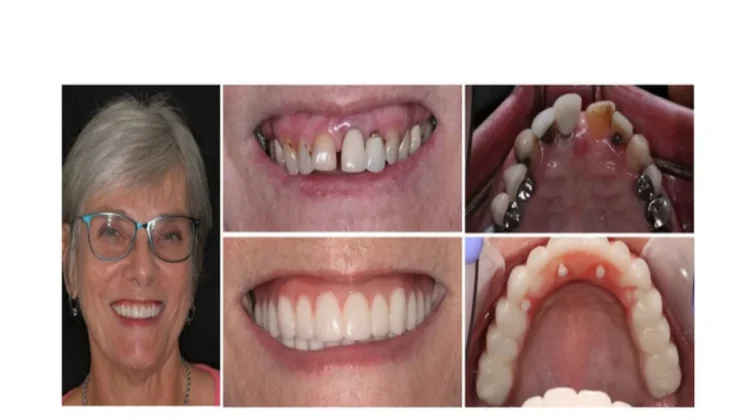
Living with missing teeth or uncomfortable dentures affects more than just appearance—it impacts confidence, diet, and quality of life. For thousands of UK and European patients, the solution has been All-on-4 dental implants, but the price tag in Western Europe often puts this life-changing treatment out of reach. Enter Albania, a rising star in dental tourism that’s delivering the same premium quality at a fraction of the cost.
What Are All-on-4 Dental Implants?
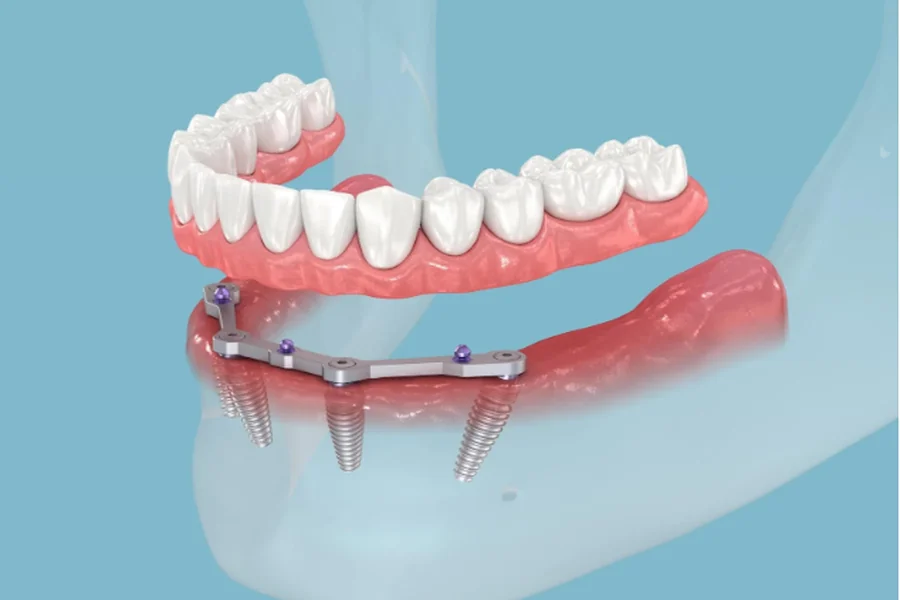
All-on-4 is a revolutionary dental implant technique that replaces an entire arch of teeth using just four strategically placed implants. Unlike traditional implant methods that require one implant per tooth, this approach uses four titanium posts to support a full bridge of prosthetic teeth—typically 10 to 14 teeth per arch.
The technique earned its name from the “all on four” concept: all your teeth are supported by four implants. Two implants are placed vertically at the front of the jaw, while two are angled at the back to maximize contact with existing bone and avoid areas where bone loss is common.
Who needs All-on-4 implants?
This treatment is ideal for patients who:
- Have lost most or all teeth in one or both arches
- Wear uncomfortable dentures that slip or cause sore spots
- Have significant bone loss that makes individual implants impractical
- Want a permanent, fixed solution rather than removable dentures
- Seek to restore full chewing function and natural appearance
The procedure offers immediate results—many patients walk out with temporary teeth on the same day as their surgery, avoiding the embarrassment of being toothless during the healing period.
Why Albania for All-on-4?
The cost difference is staggering. In the UK, All-on-4 treatment for a single arch typically ranges from £15,000 to £25,000. In Germany, patients pay €12,000 to €20,000, while French clinics charge similar amounts. Albania offers the same treatment for £3,500 to £6,000—representing savings of 60-70% without compromising quality.
But lower prices don’t mean lower standards. Albanian dental clinics have invested heavily in modern infrastructure, using the same EU-certified materials and advanced technology found in Western European practices. Many Albanian dentists have trained or specialized in countries like Italy, Germany, the UK, and the United States, bringing international expertise back home.
The competitive dental tourism market in Albania has pushed clinics to maintain exceptional standards. With lower operational costs—including rent, salaries, and overheads—Albanian clinics can offer premium services at accessible prices. Patients researching All-on-4 dental implants in Albania will find comprehensive packages that include not just the procedure, but also airport transfers, accommodation assistance, and follow-up care.
Albania’s capital, Tirana, has become a hub for dental tourism, with clinics equipped with 3D imaging, digital smile design software, and state-of-the-art surgical suites. The country’s EU candidacy status means it adheres to European health and safety standards, providing patients with peace of mind alongside significant savings.
The Treatment Process in Tirana
The All-on-4 journey typically begins before patients even board their flight. Reputable Albanian clinics offer virtual consultations where dentists review X-rays, photographs, and medical history to determine if patients are suitable candidates. This preliminary assessment helps avoid wasted trips and ensures patients arrive with a clear treatment plan.
Day 1: Arrival and Assessment
Most patients arrive in Tirana and are met at the airport by clinic representatives who arrange transfers to hotels. The first appointment involves a comprehensive examination, including 3D CT scans to assess bone density and structure. Dentists discuss aesthetic preferences, tooth shape, and color to ensure the final result looks natural and meets expectations.
Day 2: Surgery Day
The All-on-4 procedure typically takes 2-4 hours per arch under local anesthesia or conscious sedation. The dentist extracts any remaining problematic teeth, places the four implants at precise angles and depths, and attaches a temporary bridge. This temporary prosthesis allows patients to eat soft foods and smile confidently while the implants integrate with the bone over 3-6 months.
Modern techniques and pain management protocols mean most patients experience less discomfort than expected. Swelling and soreness are normal for a few days but are manageable with prescribed medications.
Days 3-7: Initial Recovery
Patients remain in Albania for about a week for follow-up appointments to check healing and adjust the temporary teeth if needed. During this time, they follow a soft food diet and practice gentle oral hygiene around the implants. Clinic staff provide detailed aftercare instructions and remain available via phone or messaging apps for any concerns.
3-6 Months Later: Final Restoration
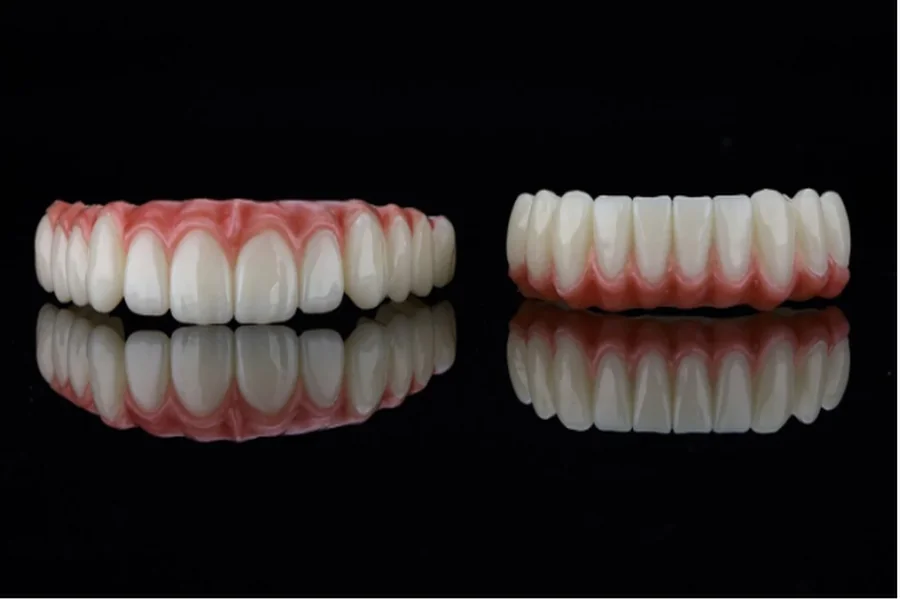
After the implants have fully integrated—a process called osseointegration—patients return to Albania (typically for 3-5 days) to receive their permanent prosthesis. This final bridge is crafted from high-quality materials like porcelain or zirconia, custom-designed to match the patient’s facial features and desired aesthetic. Some clinics can fabricate the permanent teeth locally, while others work with European dental laboratories.
The total time commitment is approximately 10-14 days spread across two trips, making it feasible for working professionals and retirees alike.
Results and Long-Term Outcomes
The transformation that All-on-4 provides extends far beyond aesthetics. Patients report dramatic improvements in their ability to eat a normal diet—biting into apples, enjoying steaks, and eating foods they’ve avoided for years. The psychological impact is equally profound, with many describing renewed confidence in social situations, professional settings, and personal relationships.
Unlike removable dentures, All-on-4 implants feel and function like natural teeth. There’s no slipping, no adhesives, and no need to remove them for cleaning. Oral hygiene involves regular brushing and flossing, just like natural teeth, though patients should use special floss threaders or water flossers to clean around the implants effectively.
Cost Breakdown
When calculating the true cost of dental tourism, it’s important to factor in all expenses:
- All-on-4 treatment (single arch): £3,500-6,000
- Round-trip flights to Tirana: £100-300
- Accommodation (7 nights): £200-500
- Meals and local transport: £150-300
- Return trip for final restoration: £500-800
Total investment: £4,450-7,900
Even with travel expenses, patients save £7,000-17,000 compared to UK prices. For those requiring both upper and lower arches, the savings multiply, often exceeding £20,000.
Long-Term Maintenance and Care
All-on-4 implants boast impressive success rates—studies show 95-98% success after 10 years with proper care. Patients should maintain excellent oral hygiene, attend regular dental check-ups (which can be done locally after the initial healing), and avoid habits like smoking that can compromise implant longevity.
Most Albanian clinics offer warranties on their work and maintain relationships with patients long after treatment. Some provide annual check-up packages for returning patients or coordinate with local dentists for routine maintenance.
The prosthetic teeth may need minor adjustments or replacement after 10-15 years due to normal wear, but the implants themselves can last a lifetime if properly maintained. This longevity makes All-on-4 a cost-effective solution compared to dentures that require refitting and replacement every 5-7 years.
Is Dental Tourism in Albania Right for You?
All-on-4 dental tourism isn’t for everyone. Ideal candidates should:
- Be in reasonably good health with controlled medical conditions
- Have realistic expectations about the process and timeline
- Be willing to travel twice (initial surgery and final restoration)
- Have sufficient bone density (though many patients with bone loss are still candidates)
- Be committed to excellent oral hygiene post-treatment
Patients with certain medical conditions—uncontrolled diabetes, active cancer treatment, or severe osteoporosis—may not be suitable candidates. A thorough medical evaluation during the consultation phase will determine eligibility.
Important considerations when choosing a clinic:
- Verify dentist qualifications and specializations
- Request before-and-after photos of previous patients
- Check online reviews across multiple platforms
- Ensure the clinic uses EU-certified implant brands (Straumann, Nobel Biocare, etc.)
- Confirm what’s included in the treatment package
- Ask about emergency protocols and complications coverage
- Inquire about warranty terms and follow-up care options
Red flags to watch for include clinics that push for immediate decisions, offer prices that seem too good to be true, or have no verifiable credentials. Reputable clinics are transparent about their processes, realistic about outcomes, and patient-focused rather than sales-driven.
Combining Treatment with Tourism
One unexpected benefit of dental tourism is the opportunity to explore a new destination. Tirana offers a fascinating blend of Ottoman, Italian, and communist-era architecture, vibrant café culture, and friendly locals. The city’s central Skanderbeg Square, colorful buildings, and bustling Blloku neighborhood provide plenty of entertainment during recovery.
For those feeling up to it after the first week, Albania’s Albanian Riviera, ancient cities like Berat and Gjirokastër, and stunning mountain landscapes are within easy reach. Many patients use their second trip for final restorations as an opportunity for a proper vacation, timing it with summer beach weather or spring’s mild temperatures.
The Future of Dental Tourism in Albania
Albania’s dental tourism sector continues to grow and mature. Increased competition has actually improved quality as clinics differentiate themselves through superior service, advanced technology, and excellent results. International patients now represent a significant portion of many dental practices’ clientele, particularly from the UK, Italy, Germany, and Switzerland.
Government support for medical tourism, improved air connections to European cities, and growing international recognition have positioned Albania as a serious alternative to established dental tourism destinations like Hungary, Turkey, and Poland. The country’s natural beauty and rich history add appeal beyond just cost savings.
Conclusion
All-on-4 dental implants represent a life-changing investment in oral health, function, and confidence. For patients facing prohibitive costs in their home countries, Albania offers a compelling solution: world-class treatment at affordable prices, delivered by qualified professionals in modern facilities.
The key to a successful dental tourism experience is thorough research, realistic expectations, and choosing a reputable clinic that prioritizes patient care over quick profits. With proper planning and the right provider, patients can achieve the smile they’ve always wanted while saving enough money to afford a few return trips to this beautiful Balkan country.
For those considering this option, taking the first step—requesting a consultation and preliminary assessment—costs nothing but could open the door to a transformation that extends far beyond teeth. Learn more about All-on-4 dental implants in Albania and discover whether this innovative treatment could be your path to a confident, functional smile.