How Smart Home Systems Make Everyday Life Better
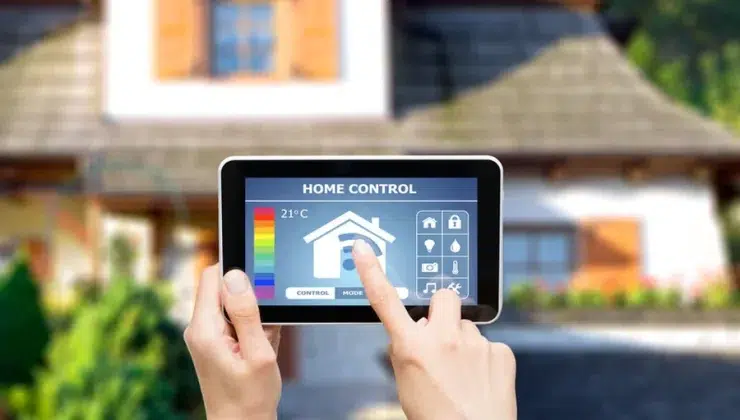
The morning alarm goes off. The bedroom lights slowly brighten to mimic sunrise. The coffee maker starts brewing downstairs. The thermostat adjusts to a comfortable temperature. All of this happens without anyone lifting a finger. This is life with a smart home system.
For many families, the idea of a connected home once seemed like science fiction. Now it has become a practical reality that changes how people experience their daily routines. The true value of these systems lies not in the technology itself but in the quiet improvements they bring to ordinary moments.
A Calmer Start to the Day
Mornings can feel rushed and chaotic. Parents scramble to get children ready for school. Working adults race against the clock. Smart home systems ease this pressure in subtle ways.
Imagine waking up to a home that has already prepared itself for the day. The hallway lights guide you safely to the kitchen. Your favorite news station plays softly in the background. The bathroom mirror displays the weather forecast. These small touches remove friction from the morning routine.
The result is a gentler transition from sleep to wakefulness. Instead of fumbling for light switches or checking phone apps, everything flows naturally. People report feeling less stressed when their environment responds to their needs automatically.
More Time for What Matters
Time is the most precious resource in modern life. Smart home systems give some of it back.
Consider how many minutes each day go toward adjusting thermostats, turning off forgotten lights, or checking whether doors are locked. These tasks seem minor on their own. Added together over weeks and months, they consume hours that could be spent on family, hobbies, or rest.
A connected home handles these responsibilities quietly in the background. Lights turn off when rooms are empty. The temperature adjusts based on who is home. Door locks engage automatically at bedtime. Homeowners gain peace of mind without constant mental effort.
This freedom allows people to be more present in their lives. Parents can focus on helping with homework instead of walking through the house to check every window. Couples can enjoy dinner without wondering if they left the garage door open.
Comfort That Adapts to You
Every person in a household has different preferences. One family member likes the living room cool. Another prefers it warm. Traditional homes force compromise. Smart homes find balance.
Modern systems learn the habits and preferences of each person. They adjust lighting, temperature, and even music based on who enters a room. The home becomes responsive rather than static.
This personalization extends throughout the day. Morning light settings differ from evening ambiance. Weekend routines differ from weekday schedules. The home adapts without anyone needing to program each change manually.
Platforms like control4 home automation allow families to create environments that feel natural and intuitive. The technology works behind the scenes while residents simply enjoy the comfort.
Safety and Security Without Worry
Peace of mind is perhaps the greatest lifestyle benefit of a connected home. Parents of young children worry less when they can monitor the house remotely. Elderly residents feel safer knowing that family members can check in easily.
Smart locks eliminate the anxiety of lost keys. Video doorbells let homeowners see who is outside before opening the door. Motion sensors detect unusual activity and send alerts immediately.
These features provide security without making a home feel like a fortress. The protection is invisible during daily life but ready when needed. Families sleep better knowing their home is watching over them.
Better Sleep and Relaxation
The bedroom should be a sanctuary. Smart home systems help create conditions for restful sleep.
Lights can dim gradually in the evening to signal the body that bedtime approaches. Thermostats can lower the temperature to the ideal range for sleep. Blackout shades can close automatically at a set time.
In the morning, the process reverses gently. Lights brighten slowly to simulate natural sunrise. This approach supports the body’s internal clock better than jarring alarms.
Many users report improved sleep quality after installing smart systems. The bedroom becomes a space designed for rest rather than a room where they happen to sleep.
A Home That Grows With You
Life changes constantly. Children grow up. Work schedules shift. Health needs evolve. A smart home can adapt to all of these transitions.
New routines can be created as circumstances change. A home office setup for remote work can activate during business hours. A nursery can have special lighting and temperature settings for a newborn. An aging parent can benefit from voice controls and automated reminders.
This flexibility means the investment in a smart home pays dividends for years. The system evolves alongside the family rather than becoming outdated.
Conclusion
Smart home systems offer something valuable beyond gadgets and automation. They offer a better quality of daily life. Mornings become calmer. Evenings become more relaxing. Security becomes invisible but constant.
The technology fades into the background. What remains is a home that feels more comfortable, more responsive, and more aligned with how people actually want to live. That is the true promise of the connected home.