What Is Radiant Floor Heating? A Beginner’s Guide
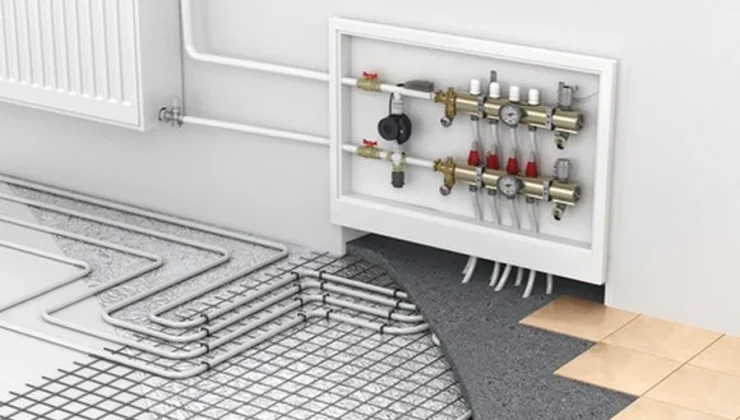
Radiant floor heating is an innovative method of warming indoor spaces that has grown in popularity due to its efficiency and comfort. Unlike traditional heating systems that rely on blowing hot air through vents, radiant floor heating delivers warmth directly through the floor, creating a consistent and even temperature throughout a room. We will explore how this system works, the various types available, and the benefits it offers homeowners. For those unfamiliar with the concept, radiant floor heating might seem complex, but understanding its core principles can help anyone make informed decisions about incorporating it into their home. This guide aims to simplify the topic for beginners and offer practical insights for everyday use.
Understanding Radiant Floor Heating
-
How It Works
Radiant floor heating operates by transferring heat through the floor surface using either water-based or electric systems. Hydronic systems circulate heated water through pipes installed beneath the floor, while electric systems use resistive heating cables or mats embedded in the floor structure. As the floor warms, heat radiates upward, warming objects and people in the room rather than simply heating the air. This approach creates a more natural and comfortable environment, reducing the need for high thermostat settings. Additionally, because radiant heat directly warms surfaces, it minimizes the movement of dust and allergens, which is a common issue with forced-air systems. The efficiency of radiant heating also means energy bills can be lower compared to traditional heating methods.
-
Installation Considerations
Installing radiant floor heating requires careful planning to ensure optimal performance. Hydronic systems involve laying a network of pipes beneath the floor, which can be embedded in concrete or secured in specialized panels. Electric systems are typically easier to retrofit into existing homes, as the mats or cables can be placed beneath a variety of floor coverings, including tile, laminate, or engineered wood. Choosing the right flooring is crucial, as materials with good thermal conductivity, such as tile or stone, facilitate more effective heat transfer and maximize the benefits of radiant flooring. Proper insulation beneath the heating elements ensures that heat is directed upward rather than lost downward. Although installation can be more involved than traditional heating systems, the long-term comfort and efficiency benefits of radiant flooring often justify the upfront effort.
-
Energy Efficiency and Cost Benefits
One of the most appealing aspects of radiant floor heating is its energy efficiency. Because the system distributes heat evenly and directly warms living spaces, less energy is wasted compared to conventional forced-air systems. This can translate to lower heating bills, especially in well-insulated homes. Hydronic systems, in particular, are known for their efficiency since water retains and transfers heat effectively. Electric systems, while easier to install in retrofits, may have higher operational costs depending on local electricity rates. However, both systems allow for zoning, meaning different areas of the home can be heated independently, reducing unnecessary energy usage. Over time, these energy savings can offset the initial installation costs.
-
Comfort and Health Advantages
Radiant floor heating provides a unique level of comfort that traditional systems cannot match. The warmth radiates from the floor upward, creating a cozy environment where your feet feel warm and rooms maintain a stable temperature. This can reduce the need for heavy clothing or blankets indoors. Moreover, because radiant heat does not rely on circulating air, it reduces the spread of allergens, dust, and pet dander, promoting healthier indoor air quality. People with respiratory sensitivities may particularly benefit from this type of heating. Additionally, radiant systems operate silently, eliminating the noise associated with furnaces or ducted heating, which contributes to a more peaceful home environment.
-
Maintenance and Longevity
Radiant floor heating systems are generally low-maintenance compared to traditional heating methods. Hydronic systems may require occasional inspection of pumps and valves, while electric systems have minimal maintenance needs. Because the components are embedded in the floor and not exposed to air currents, there is less wear and tear over time. Many systems are designed to last decades, making them a durable investment in home comfort. Homeowners should, however, ensure proper installation and periodic system checks to prevent potential leaks in hydronic setups or electrical issues in electric systems. With proper care, radiant floor heating can provide consistent warmth for many years without the frequent repairs that conventional systems sometimes require.
-
Applications and Adaptability
Radiant floor heating is versatile and can be applied in various spaces, including bathrooms, kitchens, living rooms, and even entire homes. It works well with both new construction and remodeling projects, though retrofitting an existing home may require additional planning. Certain flooring materials, such as stone and tile, are particularly well-suited due to their heat retention properties. However, newer systems allow for installation under wood, laminate, and even some types of carpet. Radiant heating can also be combined with other energy-efficient technologies, such as solar water heating, to further reduce environmental impact and operational costs. The adaptability of this system makes it a viable choice for a wide range of residential and commercial applications.
Radiant floor heating is an effective and innovative solution for achieving consistent warmth and comfort in homes. Directly heating the floor and objects in a room provides energy efficiency, improved indoor air quality, and a cozy living environment. While installation requires careful planning and consideration of flooring materials and insulation, the long-term benefits, including reduced energy consumption and low maintenance needs, make it a valuable investment. Whether used in specific rooms or throughout the house, radiant floor heating delivers a level of comfort that is difficult to match with conventional approaches.